
Productive Approaches to Managing Team Conflict
Turning Friction into Fuel for Innovation
Managing Conflict in Teams
Managing team conflict is an essential skill for effective leadership, particularly in an environment characterised by diverse perspectives and rapid change. The ability to address and resolve conflicts not only enhances team cohesion but also drives productivity and innovation. By fostering an atmosphere of open communication and mutual respect, leaders can transform potential disputes into opportunities for growth and collaboration. Ultimately, mastering conflict management is crucial for maintaining a resilient and high-performing team.
Understanding the Root Causes of Conflict
One of the first steps in learning how to manage team conflict effectively in the workplace is identifying the signs of conflict in teams and how to address them. Conflict is inevitable in any team, and it’s one of the things new managers fear most. You want your team to get along, and conflict can feel like a personal failure.
However, conflict is just a symptom. It’s the result of a deeper issue. Common root causes in tech teams include:
- Unclear roles or responsibilities: Two people think they own the same thing. This can often be resolved with clearer expectation setting (as mentioned in the transactional management reference in transformational leadership.
- Resource scarcity: Competition for time, budget, or people.
- Communication breakdowns: Misunderstood emails or assumptions left unchecked. This highlights the role of communication in team conflict resolution.
- Different working styles or values: A classic clash between “move fast and break things” and “do it right the first time”.
Your first job as a leader is to act as a detective, not a judge, to understand the real source of the friction. These issues are direct barriers to effective team collaboration.
Constructive vs Destructive Conflict
The most important lesson about conflict is that it is not all bad. As Patrick Lencioni notes, one of the five dysfunctions of a team is a Fear of Conflict.
- Destructive Conflict is personal, ego-driven, and toxic. It erodes trust and psychological safety.
- Constructive Conflict is task-focused, passionate debate about ideas. It is essential for innovation.

If your team is too nice and avoids all disagreement, you are likely settling for mediocre ideas to maintain artificial harmony. A key part of your role is to encourage constructive conflict while actively shutting down destructive, personal attacks. This is how to foster a collaborative environment to reduce team conflict (the destructive kind) – by making it safe to have constructive debate. This is a hallmark of a healthy learning culture.
Conflict as a Tool for Growth
When you have a foundation of psychological safety (a key trait of Transformational Leadership, you can reframe conflict as a tool for growth.
Handling a disagreement well can be the fastest way to build trust. It clarifies assumptions, forces the team to consider new perspectives, and ultimately leads to a better, more resilient solution. Teams that learn to “disagree and commit” are faster, smarter, and more innovative than those who avoid difficult conversations.
Conflict Management Techniques for Team Leaders
As a manager, knowing how to mediate conflict between team members is a critical skill. These conflict management techniques for team leaders are essential. Here are a few tips for handling conflict between team members and best practices for managing difficult conversations in teams:
- Don’t Ignore It: Small conflicts, left unaddressed, almost always grow.
- Listen Actively: Hear both sides separately first. Focus on understanding their interests (what they need) not just their positions (what they are demanding).
- Bring Them Together: Set clear ground rules for the conversation (e.g., “no personal attacks,” “we focus on the problem, not the people”).
- Focus on the Future: Ask, “How can we work together to solve this going forward?”. This moves the team from blame to a shared strategic perspective on problem-solving.
- Be a “Supercommunicator”: As Charles Duhig describes, ensure each party feels truly heard and understood, even if they don’t get everything they want.
As strategies for resolving conflict in remote teams, these are even more critical, due to the risk that digital communication can amplify misunderstandings. Mastering these techniques is a core part of your overall leadership development.
Conflict Resolution Training for Team Managers
I explore real-world scenarios and scripts for navigating these difficult conversations on the Leadership Ethos Leading with Impact, leadership development programs and on the Leadership Ethos Substack, which serves as practical, ongoing conflict resolution training for team managers to help you build confidence in handling these crucial moments.
Related Topics
Insights from the Leadership Ethos Substack
These articles ion the Leadership Ethos Substack explore topics related to conflict management.
- Dropping the Anchor
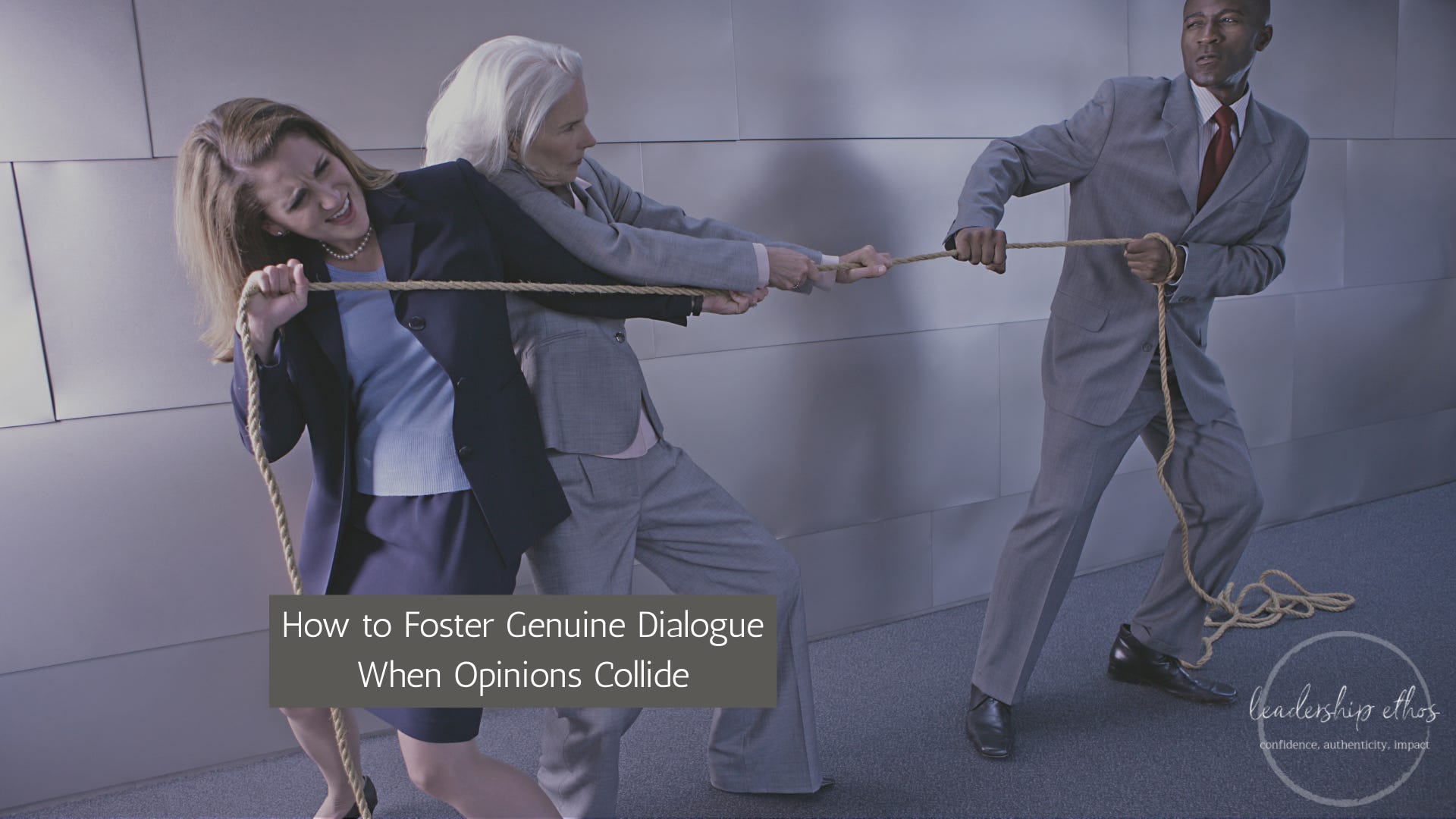 by Damien Mulligan on July 23, 2025 at 8:55 am
Learn why team members use anchoring and discover practical conflict management techniques to foster genuine dialogue and psychological safety.
- Mastering Conflict as a Leader
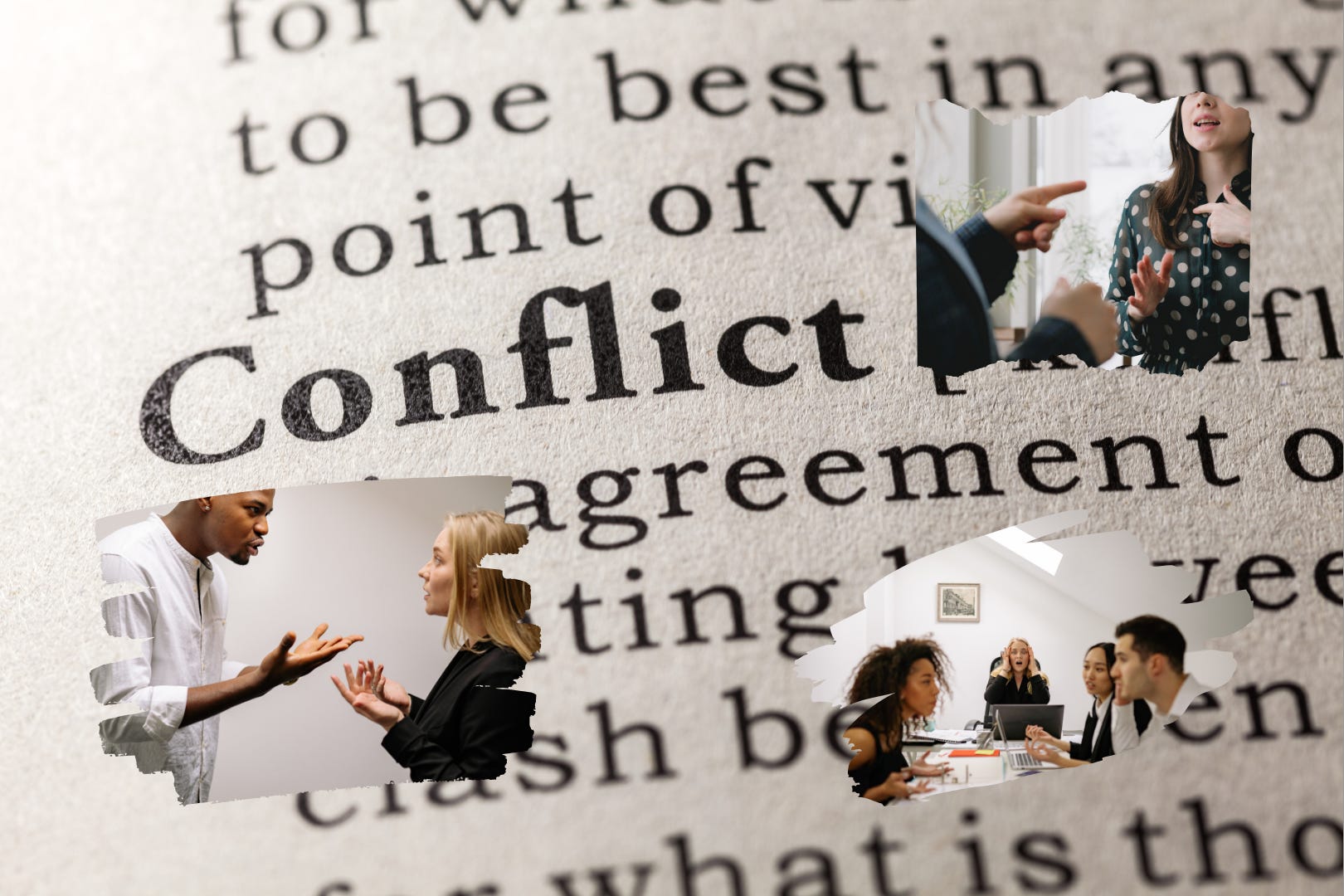 by Damien Mulligan on July 18, 2025 at 8:55 am
Practical experiences of transforming conflict into an opportunity for growth and stronger team cohesion with practical strategies and real-world examples.
This page is a core pillar of Leadership Development. Strong performance is often linked to a healthy Learning Culture.
Book a complimentary call with me to discuss how to introduce learning culture approaches to revolutionise performance management tailored to your team